Credit Card Reviews in Germany: Charge Cards, Revolving Cards, and Debit Alternatives Explained
Advertisement
Learn how credit cards work in Germany: charge cards versus revolving cards, debit alternatives, SCHUFA, fees and who each type suits. Practical guide.

Germany has a famously cautious relationship with credit. Cash and the girocard have long dominated everyday payments, and many residents never needed a credit card at all. That is changing as travel, online shopping and contactless payments grow, but the German card market still works differently from what many newcomers expect. The most important thing to understand is that not every product labelled "credit card" actually lets you borrow money. This guide explains the main card types you will meet in Germany, how to judge them, and who each type tends to suit.
Why "Credit Card" Means Different Things in Germany
In Germany, three very different products are often marketed under the same label. Understanding the differences before you apply will save you from unpleasant surprises on your statement.
Charge Cards (Charge-Karten)
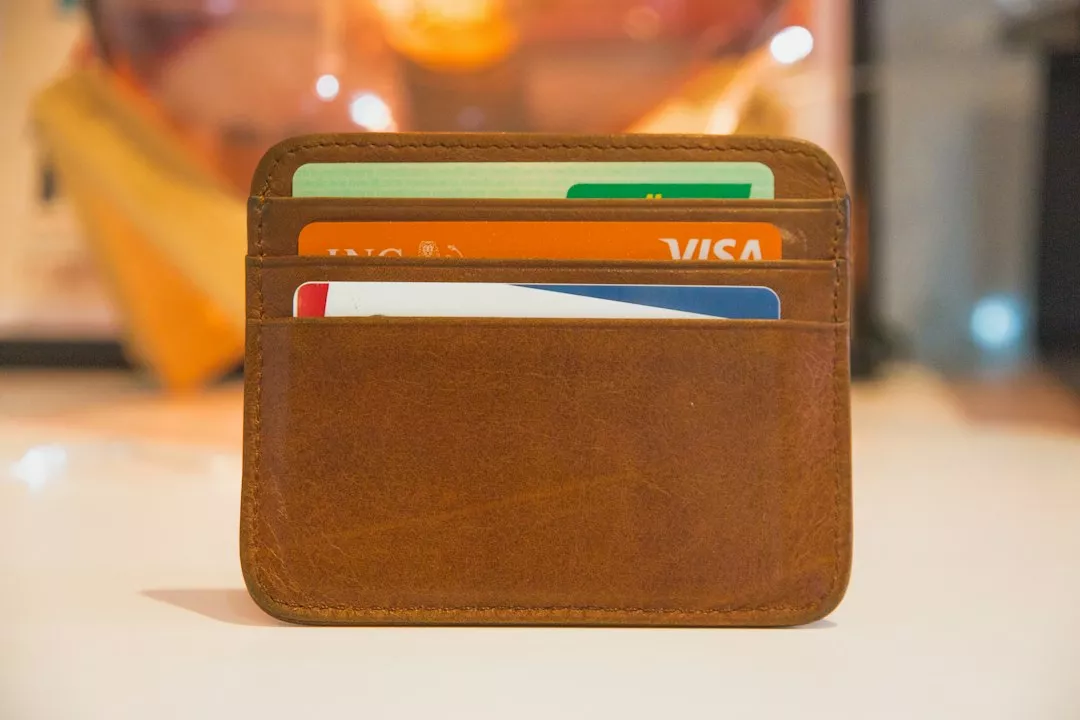
A charge card collects your purchases over a billing period, and the full amount is then debited from your current account, usually once a month. You are technically using the issuer's money for a short time, but there is no interest as long as the full balance is collected as agreed. Many cards sold by banks in Germany work this way. They are simple and predictable, but they do not give you the flexibility to repay in instalments unless the contract explicitly includes that option.
Revolving Credit Cards
A true revolving card lets you repay only part of the balance each month and carry the rest forward, with interest charged on the outstanding amount. This is where credit card debt can become expensive. Interest rates on revolving balances are typically much higher than on instalment loans, so these cards should be treated as a convenience for short-term gaps rather than as long-term financing. If you are considering this type, read the contract carefully and check the current interest rate directly with the provider.
Debit Cards on Visa and Mastercard Networks
Many German banks now offer debit cards running on the Visa or Mastercard network. They are accepted online and abroad like a credit card, but money leaves your account immediately or within a short settlement period. For people who want international acceptance without the risk of debt, this is often the most sensible option. Digital banks such as N26 and established names like ING-DiBa have helped popularise this model.
Where to Get a Card: Banks, Savings Banks and Fintechs
The German market offers several routes to a card, each with its own advantages.
Traditional Banks and Savings Banks
Institutions such as Deutsche Bank, Commerzbank, the Sparkassen and the Volksbanken offer cards linked to their current accounts. These often come with a relationship-based approach: your account history can help, and you can discuss options face to face. If you are weighing up a local branch network, our reviews of Sparkasse and Volksbank explain how their account ecosystems work.
Direct Banks
Direct banks such as DKB, ING and Comdirect are popular for cards bundled with free or low-cost current accounts. Conditions for fee-free usage can depend on factors such as regular incoming payments or account activity, and these terms can change, so always verify the current conditions on the provider's website before opening anything.
Fintech and Neobank Options
Neobanks and payment providers offer app-based cards with instant freezing, spending notifications and virtual card numbers. They can be convenient for travel and online shopping, but check whether the product is a real credit card, a prepaid card or a debit card, because the legal protections and features differ.
The Role of SCHUFA in Card Applications
Almost every German lender consults SCHUFA, the country's main credit bureau, when you apply for a card with a credit function. SCHUFA collects information about your existing loans, accounts and payment behaviour, and issuers use it, together with their own criteria, to decide whether to approve you. Approval is always the decision of the issuer, and no one can guarantee it in advance.
A few practical points are worth knowing:
- You are entitled to request a free copy of your own SCHUFA data from SCHUFA directly, which is a good way to check for errors before applying.
- Many applications for credit products leave an inquiry in the system, so it makes sense to apply selectively rather than submitting many requests at once.
- Newcomers to Germany, such as expats and students, often have little or no SCHUFA history, which can make approval for a revolving card harder at first.
If you are new to the country, building a track record with a regular current account, a mobile phone contract and punctual payments is the usual starting point. The principles are similar to those described in our guide on building credit in Switzerland, though the German system has its own rules.
What to Compare Before You Apply
Instead of chasing headline offers, compare the structural features of each card. Always confirm current figures with the issuer, because fees and conditions change.
Annual Fee Structure
Some cards charge a yearly fee, others waive it permanently, and others waive it only if you meet a spending or account condition. Read the fine print about what triggers a fee and whether the waiver is guaranteed or conditional.
Foreign Currency and ATM Charges
If you travel outside the euro area, look for any foreign transaction charge and for how cash withdrawals are priced. Cash advances on credit cards are often treated differently from purchases, sometimes with fees and immediate interest, so avoid using a credit card at an ATM unless you understand the exact cost.
Repayment Mechanics
Check whether the card collects the full balance automatically or allows partial repayment. If instalments are possible, find out the interest rate, how it is calculated and whether it applies from the purchase date. Our article on choosing credit cards in Austria covers many of the same comparison points and can help you build a general checklist.
Insurance and Extras
Some cards include travel insurance, purchase protection or rental car coverage. These benefits usually come with conditions, exclusions and claim procedures, so do not assume they replace a dedicated insurance policy. Read the insurance terms, not just the marketing page.
Who Each Card Type Suits
- Charge card: People who pay in full every month and want a clear, predictable monthly debit with international acceptance.
- Revolving card: Only for those who understand the cost of interest and have a plan to repay quickly. It is not a substitute for an emergency fund.
- Debit card on Visa or Mastercard: Travellers, online shoppers and anyone who wants to avoid the possibility of card debt altogether.
- Prepaid card: People who want to cap their spending, for example for a teenager or a specific trip, though acceptance and conditions vary.
Everyday Practicalities in Germany
Even with a credit card in your wallet, remember that some German businesses still prefer cash or the girocard, particularly small shops, bakeries and restaurants. Certain merchants may not accept credit cards at all or may add conditions, so carrying a debit card or a little cash remains sensible. For hotels, car rentals and online purchases, however, a Visa or Mastercard is often essential, since many providers require a card with a credit function for deposits.
Security matters too. Enable app notifications, use strong authentication when prompted for online payments, and report a lost card immediately through the issuer's emergency line. Consider keeping a second payment method in case a card is blocked while you are travelling.
Common Mistakes to Avoid
- Assuming a card marketed as a credit card automatically allows instalment repayment.
- Ignoring the interest terms on revolving balances and only paying the minimum.
- Using the card for cash withdrawals without checking the associated charges.
- Applying for several cards in a short period without checking how this might affect your SCHUFA profile.
- Relying on promotional offers without reading what happens after the introductory period.
Final Thoughts
The German card landscape rewards careful reading. The distinction between charge, revolving and debit products is more important than any single feature, and the right choice depends on whether you want convenience, flexibility or a hard spending limit. Take time to check the current terms with your chosen provider, compare at least a few options, and remember that every credit product carries conditions and risks. Approval is always up to the issuer, and no card is free of cost if it is used carelessly. If you are still deciding which bank to build your finances around, our review of Comdirect is a useful next read.
This article is for general information only and is not financial advice. Always verify current fees, rates and conditions directly with the provider before making a decision.

Jan Kowalski
Financial analyst based in Warsaw, focused on Central European banking, credit cards, and investment products.