PostFinance Switzerland Review: Banking, Cards, and Digital Services
Advertisement
PostFinance Switzerland review: accounts, fees, credit cards, and digital banking. Find out if PostFinance is the right bank for you in Switzerland.

PostFinance Switzerland: A Complete Banking Review
PostFinance is one of Switzerland's largest and most recognizable financial institutions, serving millions of customers across the country. As a subsidiary of Swiss Post, PostFinance has built a reputation for accessibility, reliability, and straightforward banking. Whether you're a long-term resident, a newcomer to Switzerland, or simply looking to switch banks, PostFinance deserves a close look. This review covers everything from account types and fees to digital banking features and credit card offerings.

Who Is PostFinance?
Founded as part of the Swiss postal system, PostFinance has grown into a full-service financial institution with over three million customers. It operates under the supervision of FINMA, the Swiss Financial Market Supervisory Authority, giving customers the confidence that their funds are held in a regulated and secure environment. Unlike many traditional Swiss banks, PostFinance has always prioritized accessibility — with branches at post offices across the country and a robust online presence.
It's worth noting that PostFinance does not currently offer traditional lending products such as mortgages or personal loans directly. This sets it apart from competitors like UBS or Raiffeisen. However, for everyday banking, savings, and investment needs, it covers a wide range of services. If you're comparing Swiss banks, you may also want to read our ZKB Switzerland Review and the UBS Switzerland Review to see how PostFinance stacks up.
Account Options and Fees
PostFinance offers a tiered account structure designed to meet different customer needs. All accounts are denominated in Swiss francs (CHF), and PostFinance also supports foreign currency accounts for those who deal with euros or US dollars regularly.
Private Account (Privatkonto)
The standard Private Account is PostFinance's entry-level product for day-to-day transactions. It comes with a debit card, online banking access, and e-billing functionality. The monthly fee is currently CHF 5, but this is waived if you maintain a minimum balance or meet certain transaction criteria. This account is suitable for most individuals who want a simple, no-fuss bank account for salary deposits, bill payments, and everyday spending.
Smart Account
The Smart Account is a bundled package that includes additional features such as higher cashback rewards on card spending, free domestic and international transfers up to a certain value, and access to premium customer support. The monthly fee for the Smart Account is higher, currently around CHF 9–12 per month, but for frequent users, the included benefits can easily offset this cost.
Youth and Student Accounts
PostFinance offers reduced-fee or fee-free accounts for customers under 26, making it an appealing option for students and young professionals just starting out. These accounts come with the same core features as the standard Private Account, with fewer restrictions and no monthly charges.
PostFinance Credit Cards
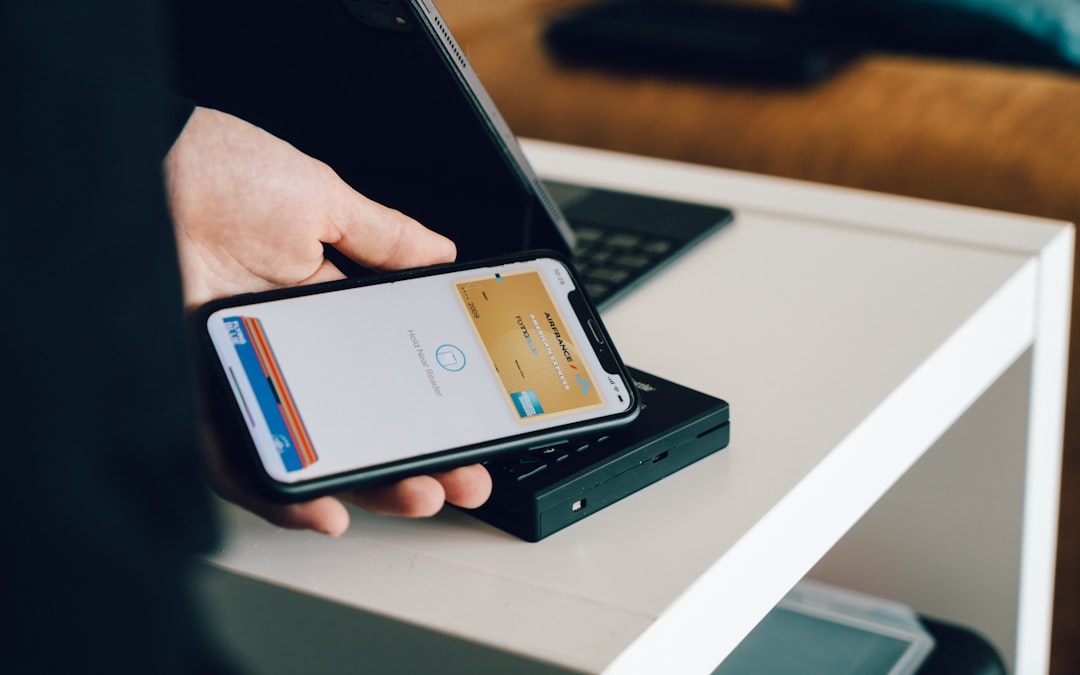
PostFinance has a range of credit cards issued in partnership with Visa and Mastercard. These cards are available in Classic, Gold, and Platinum tiers, with annual fees and benefits scaling accordingly.
PostFinance Card Classic
The Classic card is ideal for everyday purchases and comes with standard fraud protection, contactless payment, and online security features. The annual fee is modest, making it a cost-effective entry point into the PostFinance card ecosystem.
PostFinance Card Gold
The Gold card adds travel-related benefits including travel accident insurance, car rental insurance, and extended warranty on purchases. For anyone who travels regularly within Europe, the Gold card provides meaningful coverage without needing to purchase separate travel insurance policies.
PostFinance Card Platinum
At the top of the range, the Platinum card comes with comprehensive global travel insurance, priority customer service, and higher spending limits. The annual fee is significantly higher, but for frequent international travelers and high spenders, the bundled insurance alone can represent considerable savings.
Digital Banking and the PostFinance App
PostFinance has invested heavily in its digital infrastructure, and it shows. The PostFinance App is available for both iOS and Android and is widely regarded as one of the better banking apps among Swiss financial institutions. Key features include:
- Instant payment notifications: Real-time alerts for every transaction, helping you monitor your account closely.
- TWINT integration: PostFinance was one of the founding partners of TWINT, Switzerland's leading mobile payment system. Customers can link their PostFinance account directly to TWINT for seamless peer-to-peer payments and in-store purchases.
- E-invoicing (eBill): The app supports eBill, Switzerland's digital billing standard, allowing you to receive, review, and approve invoices directly within the app.
- Budgeting tools: Built-in spending categorization helps users track where their money is going each month, making it easier to manage budgets and identify areas to cut back.
The online banking portal is equally well-designed, offering full functionality for those who prefer managing finances via desktop. Multi-factor authentication and regular security updates ensure that customer accounts remain protected.

Savings and Investment Options
Beyond everyday banking, PostFinance offers savings accounts and investment products. The savings account (Sparkonto) currently offers a modest interest rate, in line with the broader Swiss interest rate environment set by the Swiss National Bank. While returns are not spectacular, the security and stability of a PostFinance savings account make it a solid option for building an emergency fund or short-term savings goals.
For those looking to invest, PostFinance offers access to its PostFinance Invest platform, where customers can build portfolios using funds and ETFs. The platform provides both self-directed investing and mandate solutions, where PostFinance manages a portfolio on your behalf based on your risk profile. Minimum investment amounts are accessible, starting from a few hundred francs, making it suitable for beginner investors. If you're interested in building a low-cost, diversified portfolio, our guide to simple asset allocation for beginners is a helpful starting point before diving into the investment platform.
Fees to Watch Out For
While PostFinance is generally transparent about its pricing, there are a few fees worth noting:
- Cash withdrawals at non-PostFinance ATMs: Withdrawals at third-party ATMs in Switzerland incur a fee. Using PostFinance or Swiss Post ATMs is always the more cost-effective option.
- Foreign currency transactions: Card purchases made in currencies other than CHF attract a foreign transaction fee, typically around 1.5–2.5% depending on the card tier.
- Paper statements: Requesting paper account statements incurs a small charge, so opting for e-statements is the better choice for cost-conscious customers.
Customer Service and Branch Access
One of PostFinance's genuine advantages over purely digital banks is its branch network. Because PostFinance operates through Swiss Post offices, customers have access to in-person service at hundreds of locations across Switzerland — including rural areas often underserved by other banks. This is particularly valuable for older customers or those who prefer face-to-face assistance with complex transactions.
Customer service is also available via phone and live chat through the app and website. Response times are generally good, though wait times can increase during peak periods. For straightforward queries, the FAQ section and help center are comprehensive and well-organized.

Is PostFinance Right for You?
PostFinance is an excellent choice for individuals who want a reliable, well-established Swiss bank with strong digital tools and broad physical accessibility. It's particularly well-suited to:
- Residents who value TWINT integration and seamless mobile payments
- Young adults and students looking for low-cost or free accounts
- Investors who want a straightforward entry point into fund-based portfolios
- Customers who appreciate having in-person support available at post offices nationwide
Its main limitation — the absence of direct lending products — means that customers who need a mortgage or personal loan will need to look elsewhere. For comprehensive private banking or wealth management, institutions like UBS or ZKB may be better suited. But for the vast majority of everyday banking needs, PostFinance delivers a solid, dependable, and modern banking experience that few Swiss institutions can match at this price point.
If you're exploring your Swiss banking options further, it's worth comparing PostFinance with our Credit Suisse Switzerland review to understand the full landscape of Swiss financial services.

Daniel Westberg
Financial journalist covering Nordic credit cards, banking products, and consumer finance across Scandinavia.